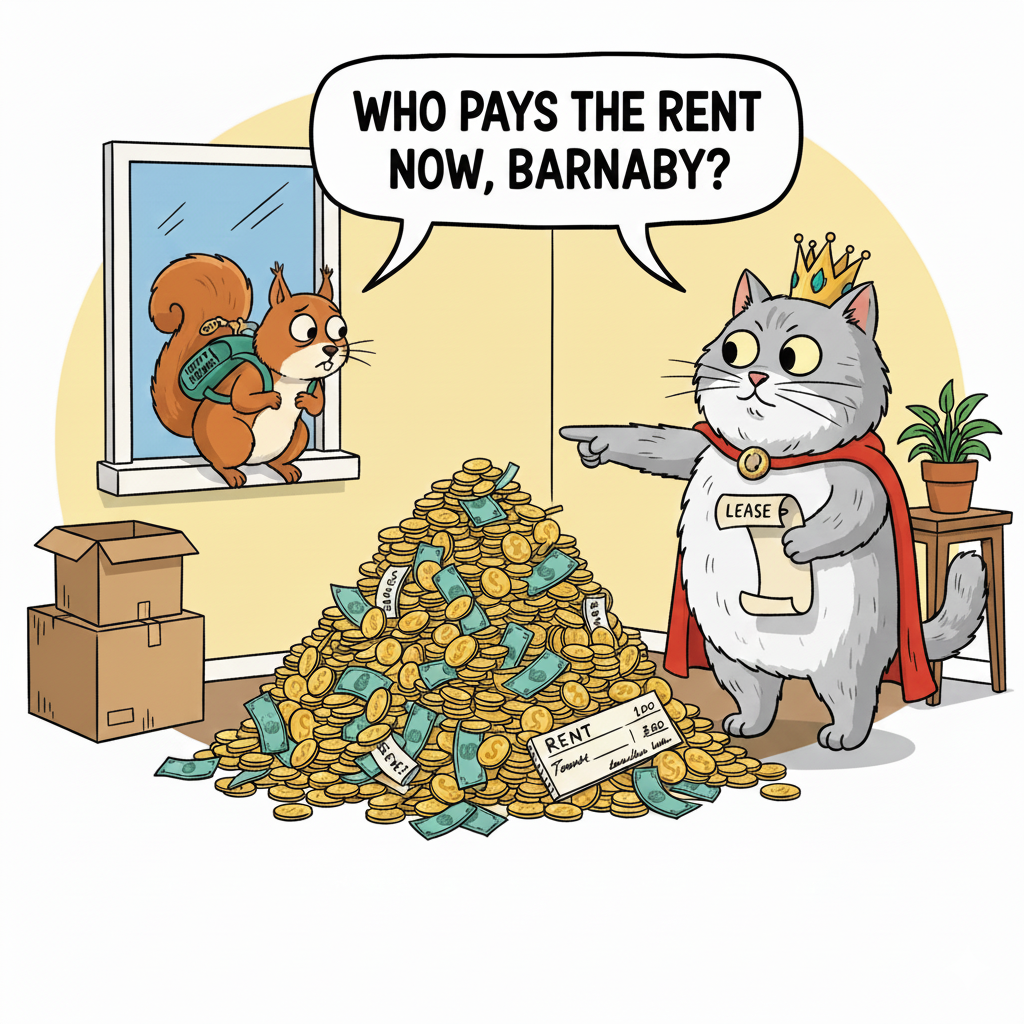


Joint tenancy can be both convenient and confusing. When two or more people sign a rental agreement in Ontario—whether they’re spouses, roommates, or business partners—they often do so as joint tenants. This means they assume joint and several liability to pay rent. In other words, each tenant is legally responsible not only for their share of the rent, but for the entire amount.
This setup works smoothly when everyone lives in the unit and pays their part. But complications arise when one tenant decides to move out while others stay. Many tenants believe that once they leave physically, they are no longer financially responsible. Unfortunately, that’s not how the law works.
This article explains what happens when one joint tenant moves out, what the landlord’s rights are, and how all parties can avoid unnecessary problems.
What Is Joint Tenancy and Joint & Several Liability?
Joint tenancy occurs when multiple tenants sign one lease and agree to pay rent to the landlord. The Residential Tenancies Act treats them as a single unit.
Joint and several liability means:
- The landlord can claim the full rent amount from any one of the tenants.
- If one tenant pays more than their share, their remedy is against the other tenant(s)—not the landlord.
- The landlord has no obligation to get involved in disputes between the tenants about who owes what.
Can a Joint Tenant Leave Without Future Responsibility?
A tenant may leave physically, but the legal liability continues unless the landlord, the tenant who stays, and the departing tenant all agree to modify the rental agreement.
The key principle is this:
Leaving the rental unit does not end the lease for that tenant, nor does it relieve them of their obligation to pay rent.
Legal Rules to Consider When One Joint Tenant Moves Out
If one tenant moves out and one or more remain in the unit:
- The lease continues unchanged. The departure of one tenant does not terminate the rental agreement.
- The landlord-tenant relationship remains as originally structured. Legally, there are still the same tenants named in the agreement unless a new agreement is negotiated.
- All these tenants remain liable for rent and arrears, including the one who moved out.
- Absence does NOT shield from liability. If rent is unpaid, the landlord may apply to the Landlord and Tenant Board (LTB) for:
- an eviction order, and
- a payment order against all tenants whose names are on the lease.
How to Properly Resolve This Situation
To protect everyone involved, any change to the list of tenants must be formal and agreed upon.
This means:
- Notify the landlord about the departure.
- Request the landlord’s consent to modify the tenancy.
- Negotiate a new rental agreement that accurately reflects the new list of tenants.
Without this, all named tenants—including the one who physically left—remain legally responsible.
What If the Tenant Leaves Without Landlord Approval?
If the departing tenant walks away without notifying the landlord:
- The landlord may treat the joint tenancy as continuing.
- If the rent is unpaid:
- the landlord may apply to evict all tenants, and
- claim full arrears from any or all tenants named in the agreement.
Conclusion
Joint tenancy can create challenging legal consequences when one tenant leaves without a proper agreement. Even if someone physically moves out, the lease—and liability for rent—continues until all parties, including the landlord, agree otherwise.
Tenants should communicate openly and consult with the landlord before making changes. Otherwise, one tenant’s departure may result in shared liability, eviction proceedings for all, and complex financial disputes.
Disclaimer
This post provides general information and should not be interpreted as legal advice. If you are facing a similar situation, consider consulting a licensed paralegal or lawyer for guidance specific to your matter.